

What Are the Top 4 Issues Plumbers Deal With in the Winter?
Winter can be a challenging season for homeowners, not just because of the cold and snow, but also due to the increased strain it places on plumbing systems. The combination of freezing temperatures, holiday water usage, and aging pipes often leads to a spike in plumbing issues during the colder months. Even the most reliable plumbing systems can be vulnerable to the harsh conditions winter brings.
While plumbing problems can happen year-round, winter introduces unique challenges that require immediate attention to avoid costly damage. From frozen pipes to drainage complications, the risks are often compounded by the fact that many homeowners are not prepared for the sudden onset of winter weather.
1. Frozen Pipes
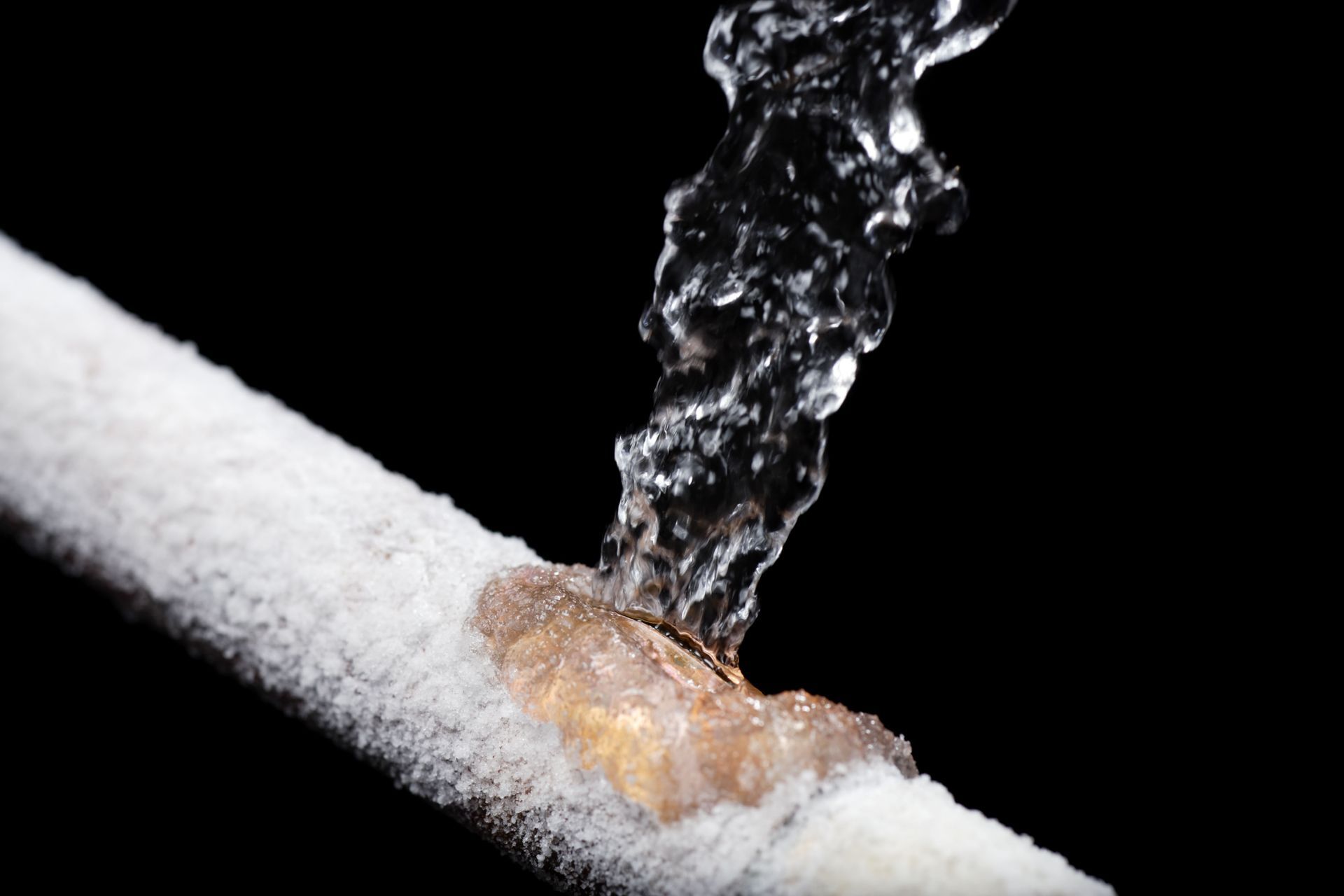
One of the most common and potentially destructive issues plumbing contractors encounter during the winter is frozen pipes. When water inside pipes freezes, it expands, which can cause the pipes to crack or even burst if left untreated. Burst pipes can lead to extensive water damage, mold growth, and costly repairs. Plumbers often advise homeowners to insulate exposed pipes in basements, crawl spaces, and attics to reduce the risk of freezing.
Many homeowners underestimate the speed at which pipes can freeze during a cold snap. Even a short period of subzero temperatures can freeze water in unprotected pipes, especially those located in exterior walls or garages. Plumbing contractors frequently deal with emergency calls when pipes freeze overnight, highlighting the importance of proactive measures. Keeping a slow trickle of water flowing through faucets connected to vulnerable pipes can also prevent freezing.
When pipes freeze, attempting to thaw them improperly can lead to further damage or personal injury. Plumbing contractors typically use specialized equipment, such as heat guns or pipe thawing machines, to safely restore water flow. In addition to repairing frozen pipes, they often recommend long-term solutions like rerouting pipes away from unheated areas or installing pipe heating cables.
Frozen pipes are more than just a minor inconvenience; they represent one of the biggest winter plumbing hazards. By preparing ahead of time and understanding the warning signs of freezing, homeowners can reduce the risk of major plumbing emergencies during the cold months.
2. Burst Pipes
Closely related to frozen pipes are burst pipes, which can create severe water damage almost instantly. When water freezes and expands inside a pipe, the pressure can eventually exceed the pipe’s tolerance, leading to a sudden rupture. This is particularly common in older homes or buildings with aging plumbing systems. Plumbers often see a spike in calls during winter when water lines burst, causing flooding, property damage, and disruption to daily life.
Burst pipes not only cause immediate flooding but can also compromise structural components like walls, floors, and ceilings. Homeowners may notice wet spots, dripping ceilings, or unusually high water bills, all of which are signs of a possible burst pipe. Emergency plumbing services are frequently needed to shut off the water supply, repair the pipe, and remediate water damage.
Preventing burst pipes often requires a combination of winter preparation and proactive plumbing maintenance. Insulating pipes, sealing leaks in the building envelope, and maintaining consistent indoor temperatures can reduce the risk. Some plumbing contractors even recommend installing automatic shut-off valves that activate when a sudden drop in temperature is detected.
In addition to immediate repair, plumbers educate homeowners on the long-term risks of recurring pipe bursts. Aging pipes, shifting foundations, and improper winter insulation can all contribute to repeated issues, making it crucial to address underlying problems rather than just the visible damage. Winter plumbing emergencies can be devastating, but with proper preparation and guidance from professionals, they can often be avoided.
3. Water Heater Issues
The colder months put extra demand on water heaters, which can lead to malfunctions or decreased efficiency. When temperatures drop, homeowners tend to use more hot water for showers, washing dishes, and heating systems. This increased demand can cause older or poorly maintained water heaters to fail, leaving households without reliable hot water. Plumbing contractors often deal with emergency calls related to failing water heaters during winter.
Common problems include sediment buildup in the tank, worn-out heating elements, or leaks in the water heater itself. Sediment accumulation can reduce efficiency and create hot spots that damage the tank, while leaks can lead to water damage in basements or utility areas. Many plumbers recommend annual maintenance to flush the tank, inspect connections, and ensure the system is ready to handle the winter load.
According to the Environmental Protection Agency, the average U.S. family uses over 300 gallons of water every day, with 70% of use occurring indoors. This heavy indoor usage during the winter places even more strain on water heaters. Plumbing contractors emphasize that regular inspections, timely repairs, and upgrading to energy-efficient models can help prevent inconvenient breakdowns.
For homeowners, monitoring water pressure, temperature, and signs of corrosion are key steps in maintaining water heater performance. In addition, installing water softeners or filtration systems can extend the lifespan of the heater by reducing sediment buildup. Plumbers often combine these preventive measures with professional advice to ensure households have uninterrupted access to hot water throughout the winter.
4. Clogged Drains and Sewer Lines
Winter can exacerbate clogged drains and sewer line issues due to the increased use of indoor plumbing and heavy holiday traffic. From cooking and baking to increased laundry, homeowners generate more wastewater during the colder months. Combined with the tendency to dispose of grease, food scraps, and other debris improperly, this creates ideal conditions for blockages. Plumbing contractors frequently handle drain cleaning and sewer line repairs during winter emergencies.
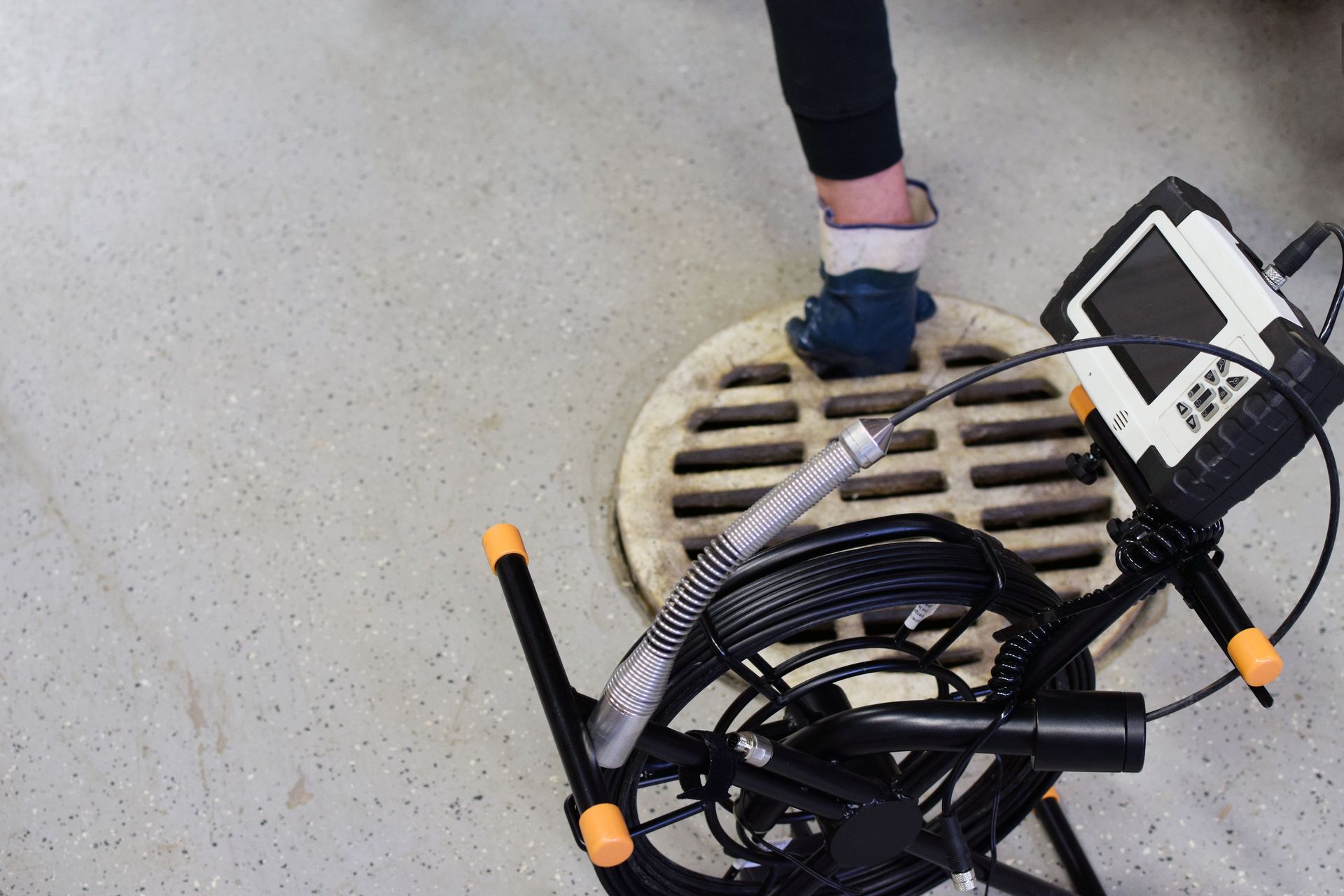
Cold weather can also cause ground soil to shift or harden, which may put additional pressure on underground sewer lines. Cracks, root intrusion, and misaligned pipes can result in partial or complete blockages. Homeowners may notice slow drains, gurgling noises, or foul odors, all of which signal a potential clog or backup. Plumbers often use video inspection tools to pinpoint the source and extent of the blockage before performing a targeted solution.
Regular drain maintenance is key to preventing severe winter plumbing problems. Using drain screens, avoiding the disposal of grease, and scheduling professional cleanings can help maintain smooth water flow. For stubborn blockages or recurring issues, plumbing contractors may recommend sewer line repairs or replacement to avoid costly emergency interventions.
Knowing how winter affects both indoor and underground plumbing systems is crucial for homeowners. Preventative measures combined with professional support can reduce the frequency and severity of clogged drains, ensuring that daily routines continue without interruption.
Winter introduces unique challenges to plumbing systems, making it one of the most critical times of the year to remain vigilant. Frozen pipes, burst pipes, water heater issues, and clogged drains are all problems that can escalate quickly if left unaddressed. Homeowners who understand these common issues and take proactive measures can avoid significant damage, stress, and repair costs.
Working with professional plumbers who are experienced in winter-specific plumbing issues is often the best way to protect your home. Regular maintenance, proper insulation, and timely inspections are essential for keeping plumbing systems in good condition throughout the season. By staying informed and prepared, homeowners can enjoy a safe and comfortable winter without the headache of emergency plumbing crises.
We’re here to keep your home safe and comfortable all winter. Contact Monona Plumbing & Fire Protection today to let our experienced plumbers handle any issue before it becomes an emergency.
Share On: