
When to Schedule a Plumbing Inspection
Plumbing systems work quietly in the background of daily life, which makes them easy to overlook until something goes wrong. Water lines, drains, fixtures, and connections all support important routines throughout the home or commercial property, but even a well-functioning system can develop hidden wear over time. Small leaks, corrosion, clogs, pressure changes, and aging components do not always announce themselves right away. That is one reason regular inspections matter. Scheduling a plumbing inspection at the right time can help property owners identify developing issues earlier and make informed decisions before those concerns turn into larger repairs.
Inspections are not only for emergencies. They are also useful for routine maintenance, property transitions, remodeling plans, and any situation where a closer look at the plumbing system can prevent unnecessary surprises. According to Therma.com, most plumbing systems should be professionally maintained once a year. That guidance highlights how valuable regular evaluations can be for both homes and businesses. By understanding when an inspection makes sense, property owners can work more confidently with plumbers, protect their plumbing systems, and keep daily operations moving with fewer disruptions.
Conducting Annual Preventive Inspections
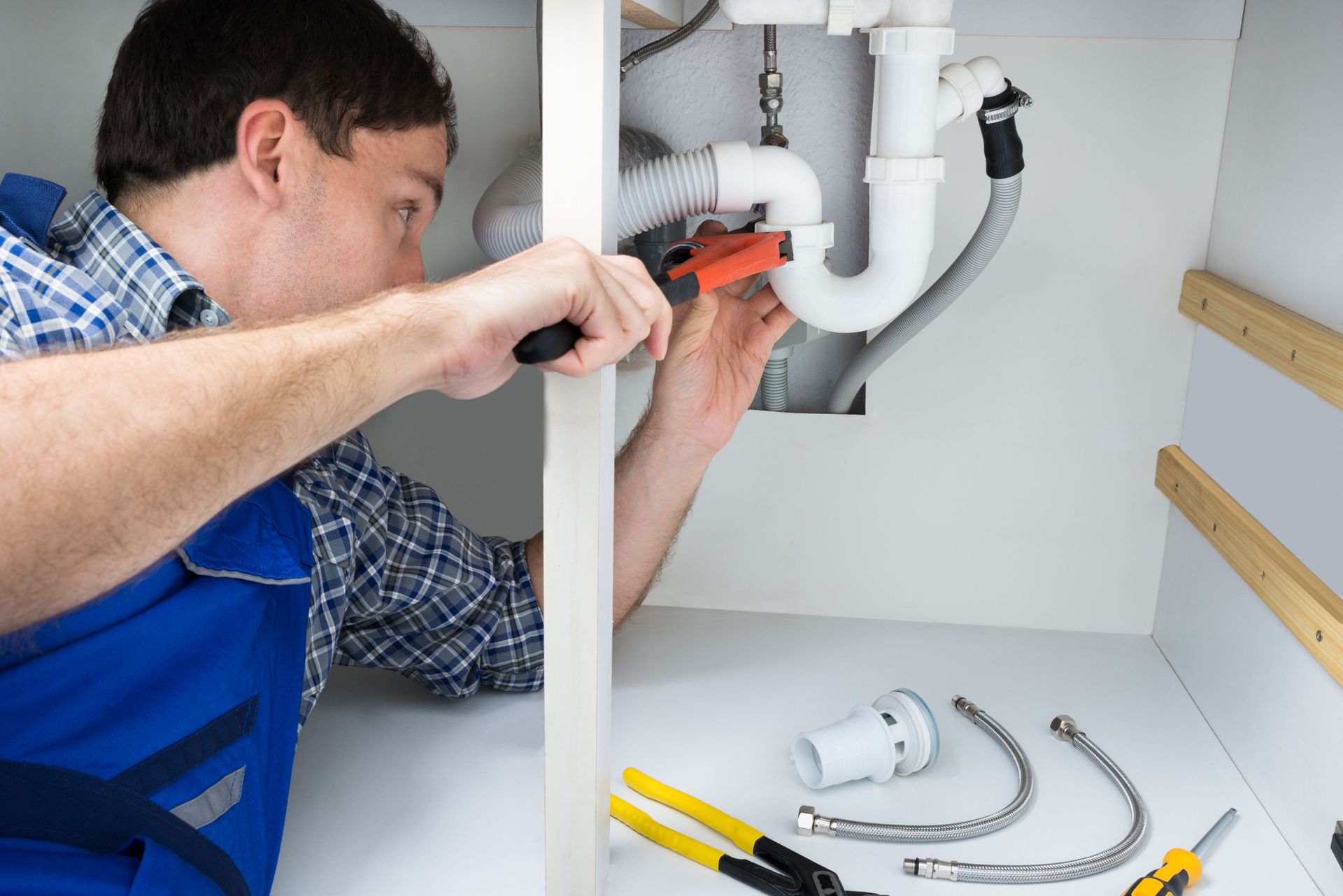
One of the best times to schedule a plumbing inspection is as part of regular yearly maintenance. Plumbing systems are constantly exposed to water pressure, mineral buildup, temperature changes, and ordinary wear from everyday use. Even if sinks, toilets, showers, and appliances appear to be working normally, hidden issues may still be developing behind walls, under floors, or around less visible fixtures. A yearly inspection gives property owners a chance to catch those concerns before they become disruptive or expensive.
Preventive inspections can help identify slow leaks, worn seals, early corrosion, drainage concerns, and fixture inefficiencies that may not be obvious during daily routines. This kind of appointment is especially helpful because it creates a consistent timeline for reviewing the system rather than waiting for a noticeable problem to appear. Experienced plumbers can evaluate the condition of pipes, valves, connections, and water-using fixtures to help property owners understand what is aging well and what may need closer attention in the near future.
Preparing Before Major Renovations
Renovation projects are another ideal time to schedule a plumbing inspection. Kitchens, bathrooms, laundry rooms, and utility areas often involve plumbing connections that may need to be relocated, upgraded, or evaluated before new work begins. Even if the project is focused mostly on design changes, the underlying plumbing system can have a direct effect on how smoothly the renovation moves forward. Checking the existing system first can help reveal whether the current setup supports the planned improvements.
Inspections before remodeling can also uncover issues that would be harder to address once walls, flooring, cabinetry, or tile are installed. For example, older supply lines, slow drains, or weak shutoff valves may be easier to update during the renovation stage rather than afterward. Plumbers can assess how the current system aligns with the new layout and whether any modifications should be made before construction progresses. This approach can help avoid delays, protect the finished work, and support a more practical renovation plan overall.
Responding to Warning Signs Early
Some plumbing inspections should be scheduled in response to visible or recurring warning signs. Slow drains, low water pressure, unusual noises in pipes, water stains, musty odors, and fluctuating water temperatures can all indicate that something within the system needs closer attention. While these issues may seem minor at first, they can point to clogs, leaks, buildup, worn parts, or larger system concerns. Scheduling an inspection when these signs appear can help prevent a small issue from becoming more disruptive over time.
Warning signs do not always mean a major repair is necessary, but they should not be ignored. A faucet that drips steadily, a toilet that runs often, or a sink that drains more slowly than usual may reflect a problem that is easy to miss without professional evaluation. Skilled plumbers can determine whether the issue is isolated or part of a broader pattern affecting the property. Acting early can help preserve fixtures, reduce water waste, and make the next steps clearer before more significant damage develops.
Evaluating Systems After Emergencies
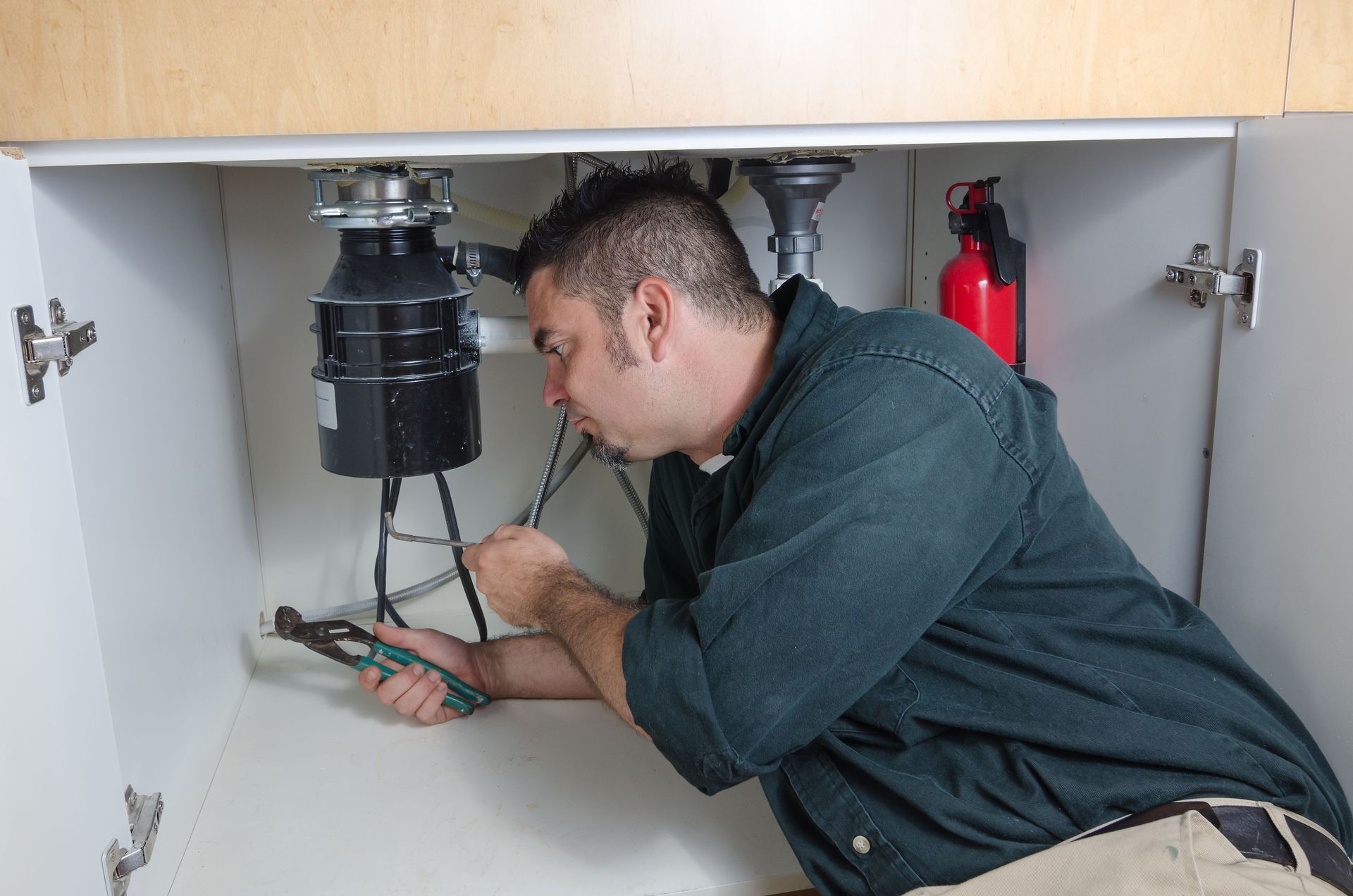
After a plumbing emergency, it is often wise to schedule a full inspection even if the immediate problem has already been repaired. Burst pipes, major leaks, backups, and overflows can place stress on more than one part of the system. Once the urgent issue is under control, a broader inspection can help determine whether there are related concerns that still need attention. This is particularly important if the emergency involved older piping, sudden pressure changes, or water exposure in multiple areas.
A post-emergency inspection can also help property owners understand why the problem happened in the first place. In some cases, the visible failure is only one symptom of aging materials or system-wide wear. Plumbers can look for additional vulnerabilities, assess nearby connections, and recommend whether any follow-up repairs or preventive work would be helpful. Rather than treating the event as a one-time disruption, an inspection can turn it into an opportunity to strengthen the overall system and reduce the chance of repeated problems.
Monitoring Aging Plumbing Systems
Age is another strong reason to plan regular plumbing inspections. Older homes and commercial buildings may contain pipes, fittings, and fixtures that were installed under different material standards or construction practices than those used today. Over time, aging plumbing can become more vulnerable to corrosion, restricted flow, leaks, and connection failures. Even when the system still functions, age-related wear may be progressing out of sight. That makes periodic inspections especially useful for properties with older infrastructure.
Older systems may also have a repair history that affects how they perform now. Past patches, partial upgrades, and material combinations can create weak points or inconsistencies throughout the system. Plumbers can evaluate whether certain components are still holding up well or whether targeted improvements would be a better long-term choice. For owners of older properties, inspections provide a more practical way to monitor plumbing conditions instead of relying only on visible symptoms or waiting until a major problem occurs.
Preparing for Seasonal Changes
Seasonal transitions can also be a good time to schedule a plumbing inspection, especially in areas where temperature swings affect pipes and water systems. Colder weather can increase the risk of frozen pipes, while warmer months may put more demand on plumbing through irrigation, seasonal occupancy changes, or increased water use. Checking the system before these shifts can help property owners prepare for conditions that place extra strain on plumbing components.
An inspection before seasonal changes may include reviewing exposed pipes, hose bibs, shutoff valves, drainage performance, and water heater function. This type of timing is particularly useful for homes with basements, crawl spaces, outdoor plumbing connections, or vacation properties that sit unused for part of the year. By working with plumbers before the season changes, property owners can reduce the chance of avoidable issues and feel more prepared for the months ahead.
Scheduling a plumbing inspection at the right time can make a major difference in how well a system performs over the long run. Annual maintenance, property purchases, renovations, warning signs, emergencies, aging infrastructure, and seasonal changes all provide strong reasons to take a closer look at plumbing conditions before problems grow. Inspections help property owners understand what is happening within the system and make more confident decisions about maintenance and repairs. Working with experienced plumbers can make this process even more effective by providing reliable insight and support. If you are ready to schedule a professional plumbing inspection, contact Monona Plumbing & Fire Protection today.
Share On: