


Your Plumbing Company Explains Why Small Plumbing Leaks Turn Into Big Problems
A small drip from a faucet or a slow seep around a pipe fitting is easy to dismiss when a dozen other things are competing for your attention on any given day. The problem is that what looks like a minor inconvenience from the outside is actively doing damage from the inside, and that damage compounds with every hour the leak continues without professional attention. Plumbing problems rarely resolve themselves — they grow, and the window between a minor repair and a major restoration narrows faster than most homeowners realize until the evidence becomes impossible to ignore. Understanding why small leaks escalate so predictably into large and costly problems gives homeowners the knowledge they need to act sooner and spend far less on the resolution.
The Staggering Volume of Water a Small Leak Can Waste
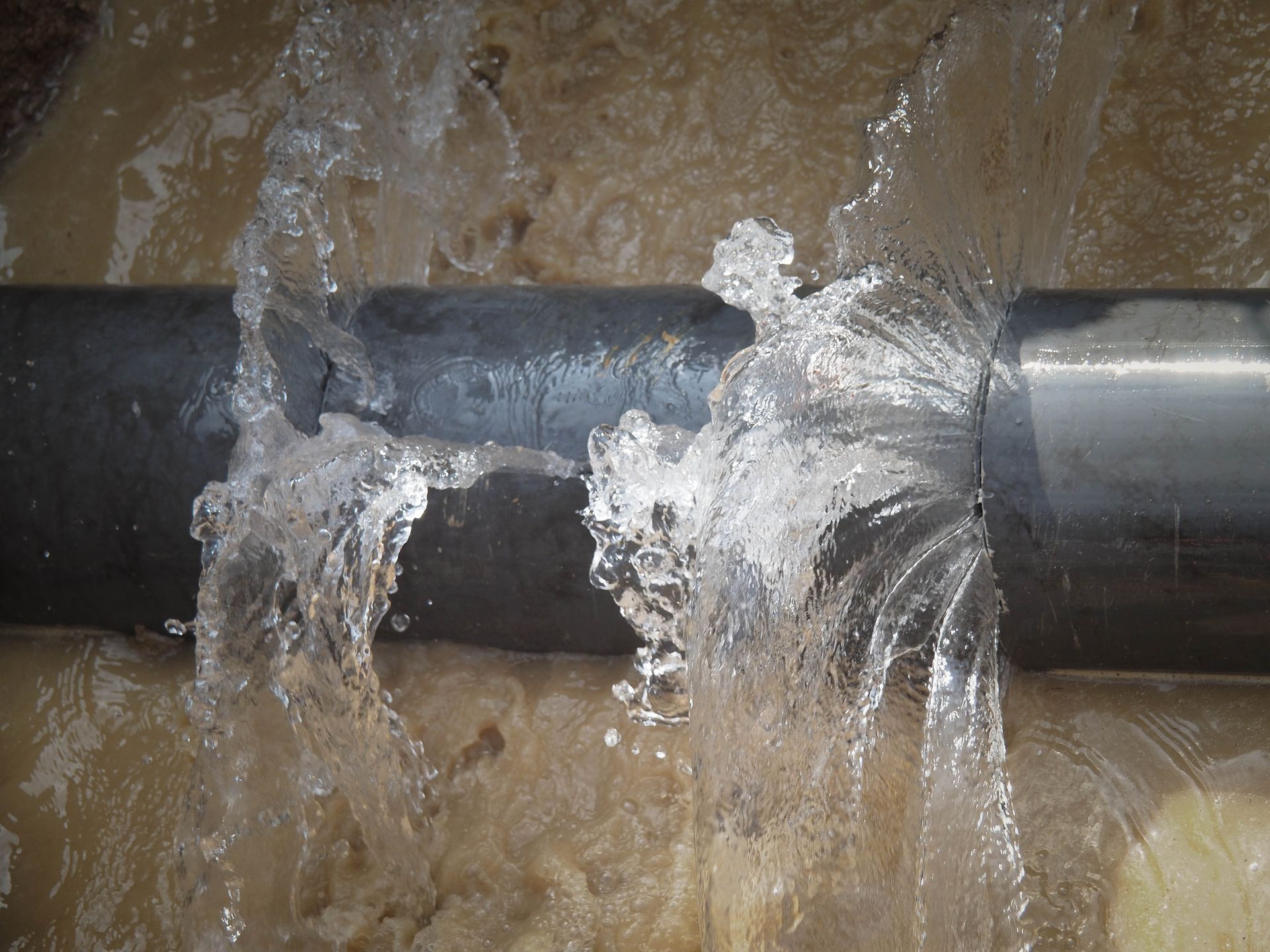
According to RubyHome, the average plumbing leak can result in up to 10,000 wasted gallons of water in just one year, which puts into startling perspective just how much a seemingly insignificant drip actually costs the homeowner in utility expenses over the course of twelve months. A plumbing company that evaluates a home with a slow faucet leak or a running toilet will almost always find that the homeowner has been unknowingly paying a significant water waste penalty on every monthly bill without connecting the cost to the fixture that is causing it. Water waste of this scale is not just a financial concern — it represents a resource that disappears without providing any benefit to the household, while actively contributing to the cost of a future repair that will be larger the longer the source of the waste is left unaddressed. Identifying and repairing even a single small leak can produce an immediate and measurable reduction in water bills that more than offsets the cost of the service call that discovered and fixed it.
How Hidden Moisture Creates Structural Damage Over Time
Water that escapes from a leaking pipe behind a wall or beneath a floor does not simply evaporate — it saturates the surrounding building materials, degrading their structural integrity over time and inviting secondary damage that is always more expensive to correct than the original leak would have been. A plumbing company called in to investigate a persistent musty odor or a soft spot in the floor regularly discovers that what the homeowner believed was a minor or temporary issue has been silently rotting the framing, subfloor, or drywall surrounding the leak for months before any visible symptom appeared. Structural damage caused by hidden moisture is one of the most expensive outcomes of a deferred plumbing repair because the remediation it requires goes far beyond what a plumber can address alone — it typically involves drywall removal, framing replacement, and in severe cases, structural engineering consultation that adds thousands of dollars to the total restoration cost. The relationship between the severity of the structural damage and the length of time the leak was allowed to continue is almost perfectly linear, which is why early detection and prompt repair are always the lowest-cost outcome available to the homeowner.
The Rapid Development of Mold in Moisture-Damaged Areas
Mold requires only a small and consistent source of moisture to establish and spread, and a slow plumbing leak provides exactly the kind of persistent dampness that allows mold colonies to take hold in concealed spaces within walls, under floors, and above ceilings, where they grow undetected until they produce the visible staining or air quality symptoms that finally prompt professional investigation. A plumbing company that opens a wall to repair a pipe leak and discovers mold behind the surface has found a problem that significantly expands the scope and cost of what began as a straightforward plumbing repair, because mold remediation is a separate and specialized process that must be completed before the wall can be restored and the space returned to safe use. Mold growth in a residential property is not merely an aesthetic or structural concern — it is a health hazard that affects indoor air quality and can trigger respiratory symptoms, allergic reactions, and other health effects in the people living and working in the contaminated space. Preventing mold from establishing itself behind a wall or under a floor is dramatically easier and less expensive than eliminating it after it has already colonized the building materials surrounding a leak that was left unaddressed for too long.
Foundation and Slab Risks From Prolonged Water Exposure
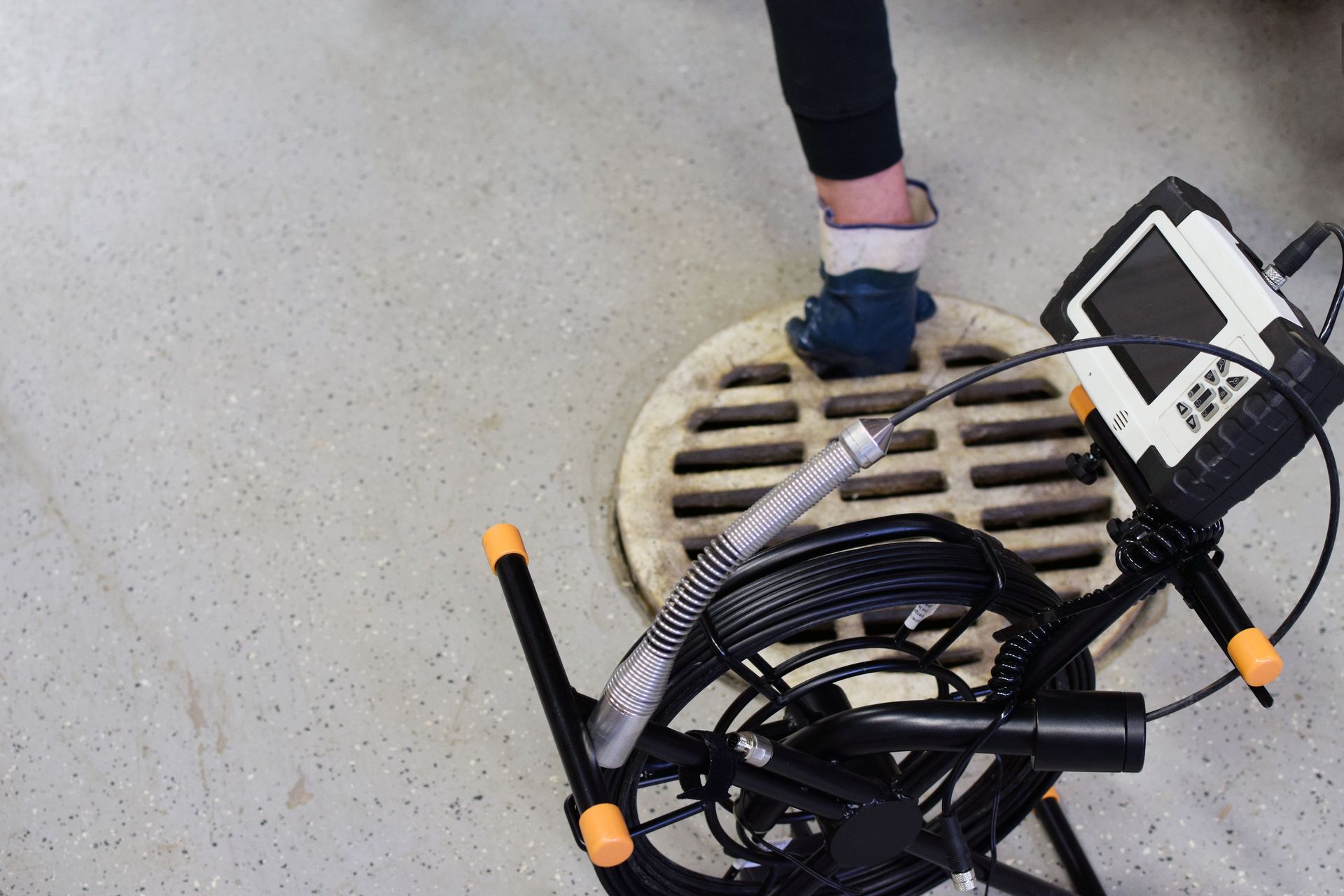
Leaks that occur in or near the foundation of a home present some of the most serious long-term risks of any plumbing failure, because water that accumulates against or beneath a concrete slab or a foundation wall creates the hydrostatic pressure and erosion conditions that cause cracking, shifting, and settlement over time. A plumbing company that specializes in underground plumbing and site work understands how water that escapes from below-grade supply or drain lines migrates through the soil and accumulates in ways that affect the structural stability of the foundation above before any interior symptom makes the problem visible to the homeowner. Slab leaks in particular are notorious for the severity of the damage they cause relative to the small size of the initial failure point, because the water released below grade has nowhere to go but through the concrete and into the structure above, creating conditions that compound dramatically with each passing week of continued water exposure. Addressing a suspected below-grade leak promptly by engaging a contractor with underground plumbing expertise is one of the most consequential decisions a homeowner can make to protect the long-term structural integrity of their property.
The Escalating Cost of Emergency Repairs Versus Timely Service
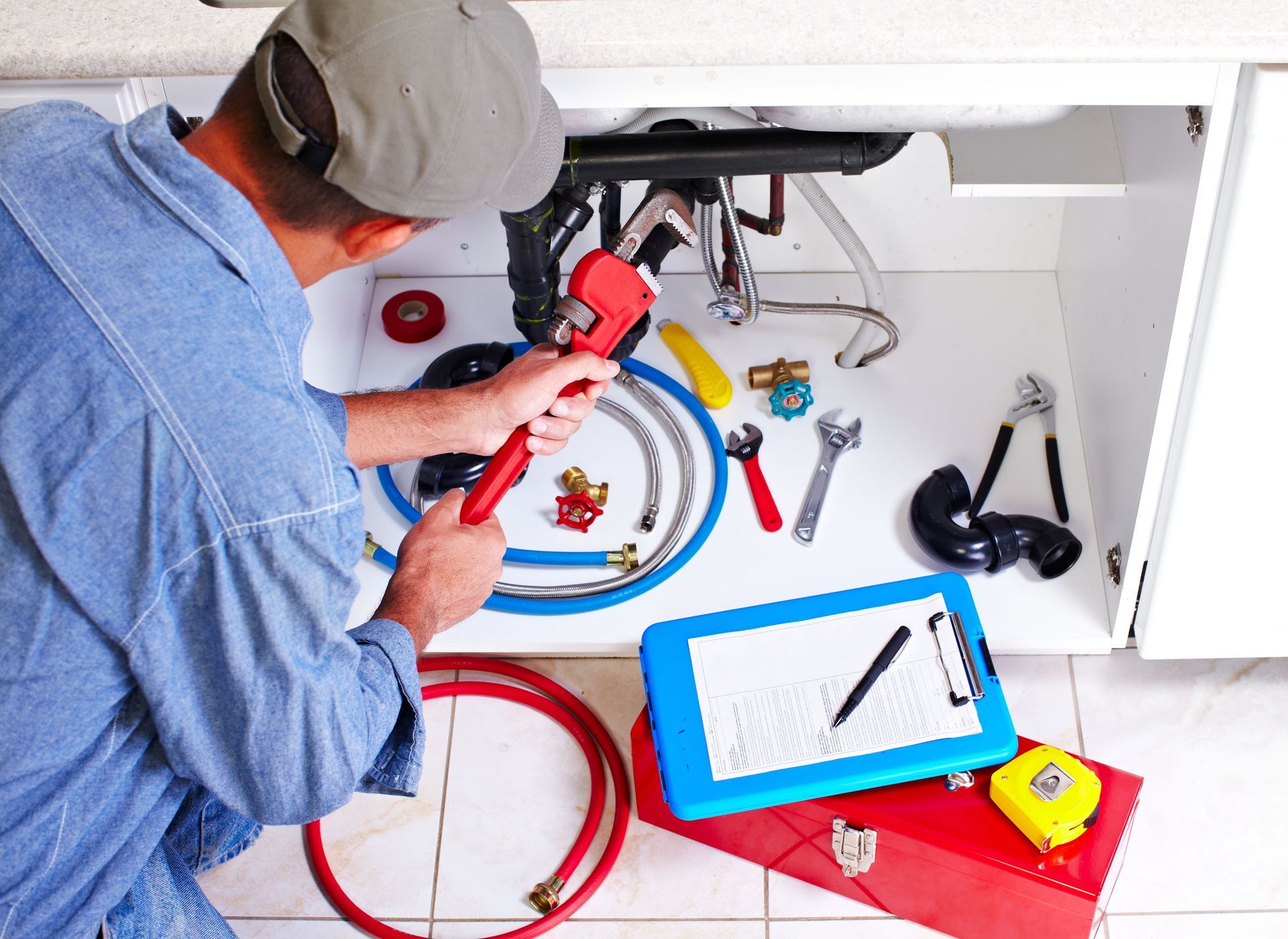
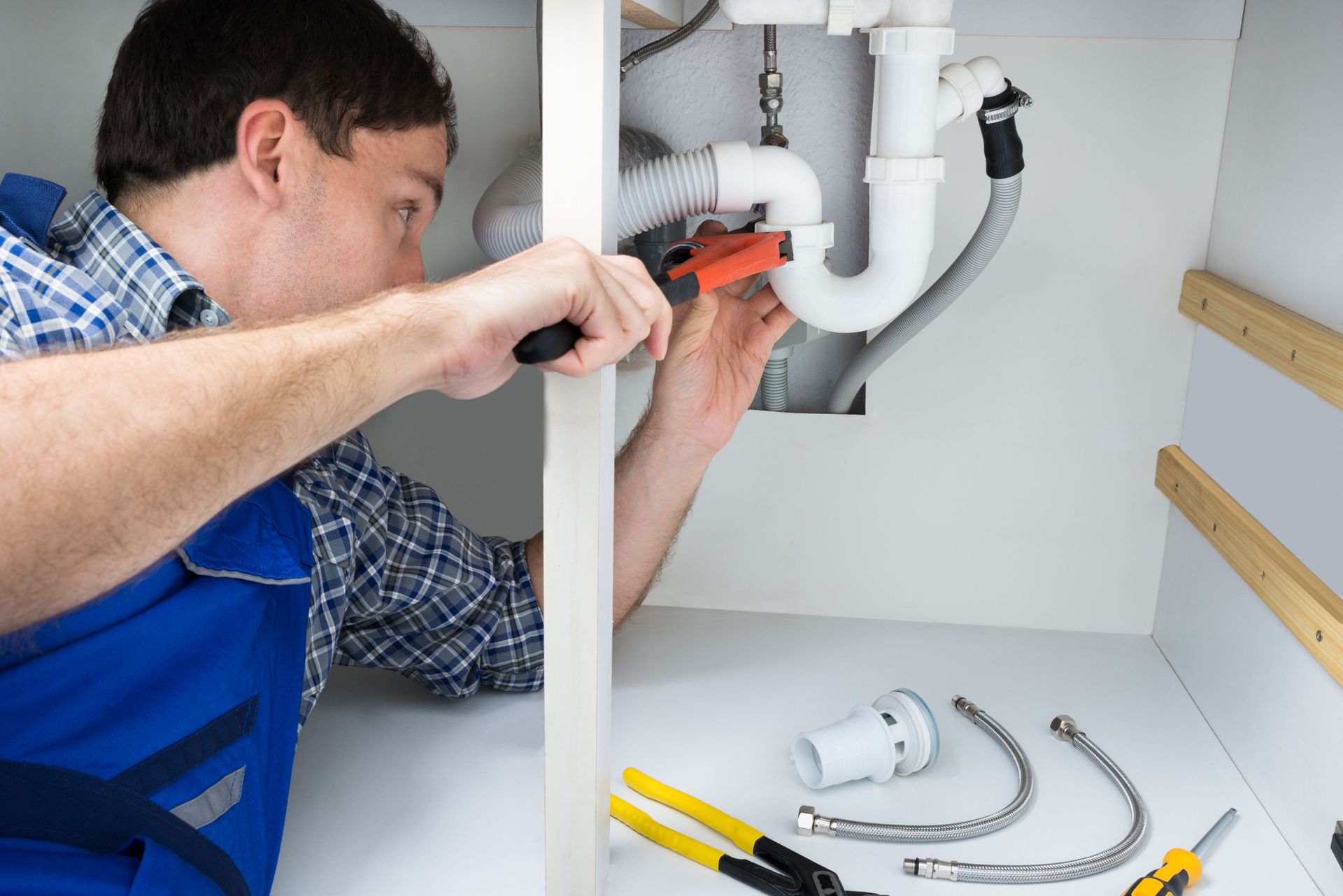
One of the most consistent and most financially painful lessons homeowners learn about plumbing maintenance is that the cost of a repair rises sharply as the damage it has caused expands, and that the gap between a timely preventive repair and an emergency restoration can represent thousands of dollars that would have been entirely avoidable with earlier action. A plumbing company called in for a routine service visit or a preventive inspection can identify developing issues — a corroding connection, a deteriorating supply line, a fixture that is beginning to seep — and address them at a fraction of the cost that the same issues will generate once they have failed and caused secondary damage throughout the surrounding area. Emergency plumbing service is available when failures occur outside of normal business hours, but the premium that after-hours urgent response carries is another cost that is eliminated when the developing problem is identified and resolved during a scheduled service appointment before it reaches the crisis threshold that demands an emergency call. Investing in regular plumbing service and responding promptly to the first signs of any leak is consistently the lowest-cost approach available to homeowners who want to protect their property and manage their plumbing expenses predictably rather than reactively.
The pattern that connects every small plumbing leak to a large and expensive problem is always the same — the longer the leak runs, the more damage it causes, and the more it costs to fully resolve. From wasted water and escalating utility bills to structural damage, mold, foundation risk, and costly emergency repairs, every consequence of a deferred plumbing repair was preventable at an earlier stage with professional attention. Monona Plumbing and Fire Protection has proudly served homeowners and businesses throughout Dane County, WI and surrounding areas from their Madison and Monroe locations since 1977, offering residential plumbing services, commercial plumbing services, emergency plumbing service, new construction, remodeling, fire protection services, and underground site work, all backed by over 45 years of experience, 24/7 emergency services, same-day service, workmanship warranties, fast response times, financing available, and recognition as a Best of Madison award winner — the plumbing company that Dane County depends on for reliable, high-quality service every time. For more information, contact us today!
Share On: